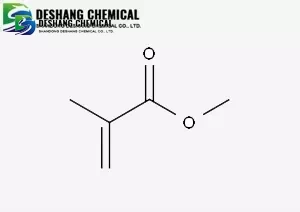
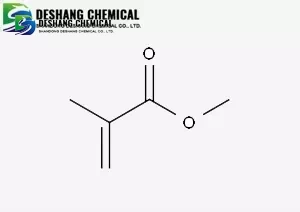
What is Methyl methacrylate CAS 80-62-6?
Poly(methyl methacrylate), also known as polymethyl methacrylate (PMMA), is an important transparent optical plastic. It has the advantages of high transparency, good impact resistance, light weight, low cost, environmental friendliness, and non-toxicity. It is a widely used glass substitute material. The most distinctive feature of PMMM is its excellent optical properties, which is why it is commonly called "organic glass". This is mainly because it is an amorphous polymer with uniform texture. The internal molecular arrangement does not affect the speed at which light enters and passes through different parts. The light can travel at the same speed and does not disperse in all directions or interfere with each other.
Methyl methacrylate CAS 80-62-6 Use
It is mainly used as the monomer for plexiglass, and is also used to produce other plastics, coatings, etc. Methyl methacrylate is an intermediate for the fungicide "Fungizone".
This product is mainly used as the monomer for polymethyl methacrylate (plexiglass), and is also copolymerized with other vinyl monomers to obtain products of different properties. It is also used to manufacture other resins, plastics, chemical adhesives, coatings, lubricants, wood penetrating agents, motor coil impregnating agents, ion exchange resins, paper gloss agents, textile dyeing auxiliaries, leather treatment agents and insulating molding materials. Organic synthesis.
Methyl methacrylate CAS 80-62-6 safety
Acute toxicity
Oral administration - LD50 for rats: 7872 milligrams per kilogram; Oral administration - LD50 for mice: 3625 milligrams per kilogram Acute toxicity
Oral administration - LD50 for rats: 7872 milligrams per kilogram; Oral administration - LD50 for mice: 3625 milligrams per kilogram
Flammable hazard characteristics
Flammable when exposed to fire, high temperature, and oxidants; Burning produces irritating smoke
Service
* Prompt reply and 24 hours online, professional team to provide best price and high quality product.
* Sample testing support.
* Every batch of products will be tested to ensureits quality.
*The packing also can be according the customers` requirment.
*Any inquiries will be replied within 24 hours.
*we provide Commerical Invoice, Packing List, Bill of loading, COA , Health certificate and Origin certificate. If your markets have any special requirements, let us know.