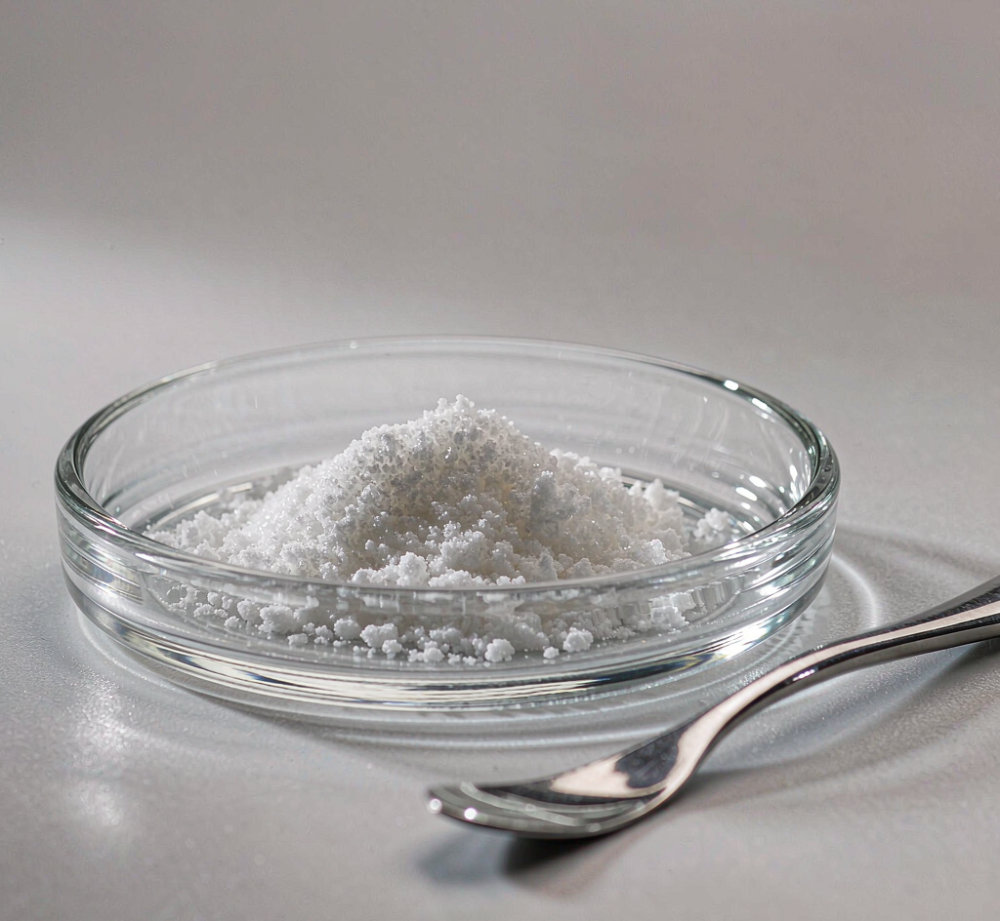
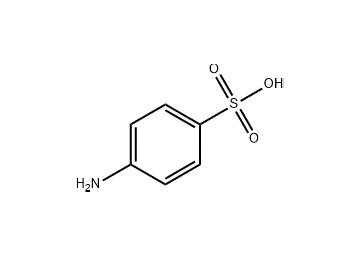
Safety instructions for sulfanilic acid
Products blog

Safety instructions for sulfanilic acid

When this product enters the human body through ingestion, inhalation or skin contact, it may cause significant harm to human health. Its chemical composition is strongly irritating and can cause a variety of discomfort symptoms and health problems.
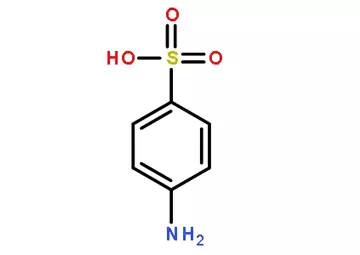
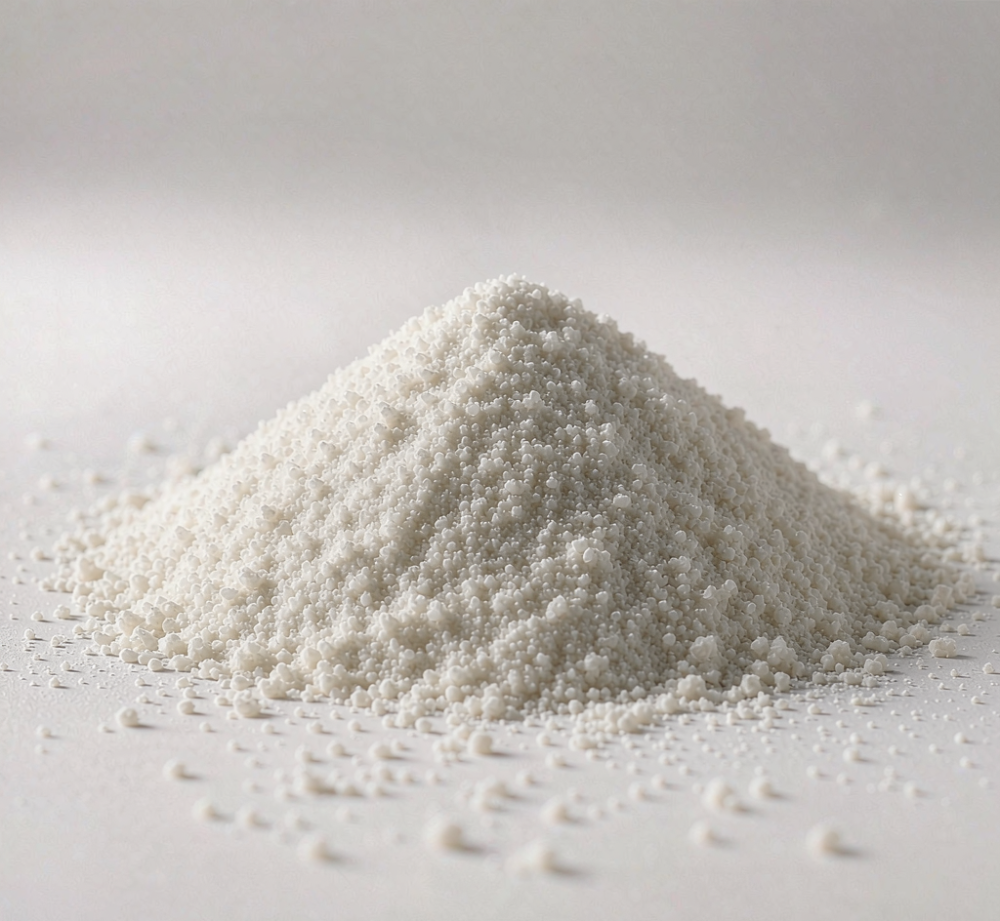
​Use of Sulfanilic acid products
Products blog

​Use of Sulfanilic acid products

Dye manufacturing: In the modern chemical industry, Sulfanilic acid is widely used in the manufacture of azo dyes and other dyes.

Azelaic Acid (CAS 123-99-9): The Dicarboxylic Acid That Calms Acne, Rosacea, and Stubborn Marks
Products blog

Azelaic Acid (CAS 123-99-9): The Dicarboxylic Acid That Calms Acne, Rosacea, and Stubborn Marks

A practical supplier guide to Azelaic acid (CAS 123-99-9): what the dicarboxylic acid is, how its comedolytic, antimicrobial, anti-inflammatory, and tyrosinase-inhibiting actions clear acne, calm rosacea, and fade marks, typical up-to-10% use levels, smart pairings with salicylic acid, kojic acid, alpha-arbutin, vitamin C, GHK-Cu, squalane, mild surfactants, citric acid and Argireline, plus safety notes and buyer COA guidance.

Salicylic Acid (CAS 69-72-7): The BHA That Clears Pores and Fades Marks Without the Hype
Products blog

Salicylic Acid (CAS 69-72-7): The BHA That Clears Pores and Fades Marks Without the Hype

A practical supplier guide to Salicylic acid (CAS 69-72-7): what the beta-hydroxy acid is (C7H6O3, MW 138.12, EINECS 200-712-3, mp 158-161 C, density 1.44, ethanol-soluble, 2-8 C storage), how its keratolytic and lipophilic action clears pores and fades marks, typical 0.5-2% use levels in acne and exfoliating formulas, pH setting with citric acid, smart pairings with kojic acid, alpha-arbutin, vitamin C, GHK-Cu, squalane, mild surfactants and Argireline, plus EU SCCS/1675/25 safety limits and buyer COA notes.

+86-531-88752665

Qr code