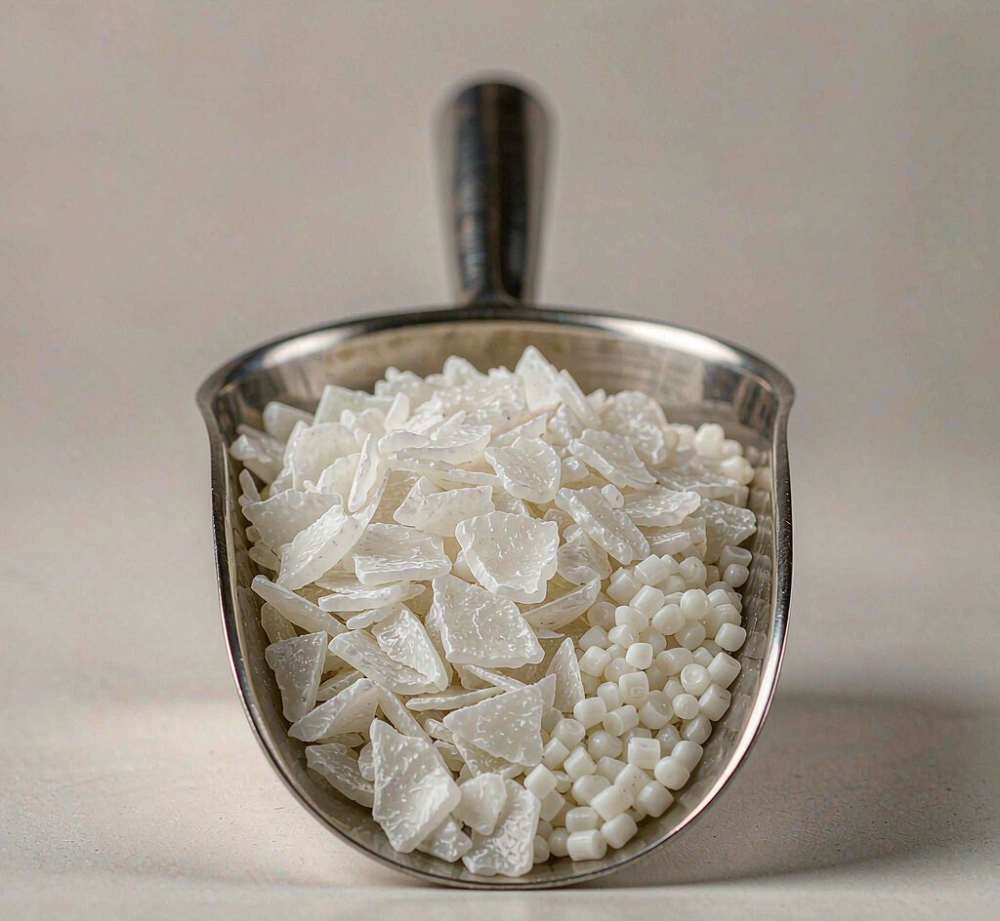
Cetyl Alcohol (1-Hexadecanol, CAS 36653-82-4): The Fatty Alcohol That Gives Creams Their Body and Skin Its Soft Finish
Products blog

Cetyl Alcohol (1-Hexadecanol, CAS 36653-82-4): The Fatty Alcohol That Gives Creams Their Body and Skin Its Soft Finish

A practical supplier guide to cetyl alcohol (1-hexadecanol, CAS 36653-82-4, C16H34O, MW ~242.44): the saturated C16 fatty alcohol that builds body, stabilizes emulsions, and softens skin feel in creams, conditioners, and pharma bases. Covers the chemistry, typical use levels (1-5%), and natural formulation pairings with squalane, soybean lecithin, mild surfactants, humectants, and brightening/exfoliating actives.
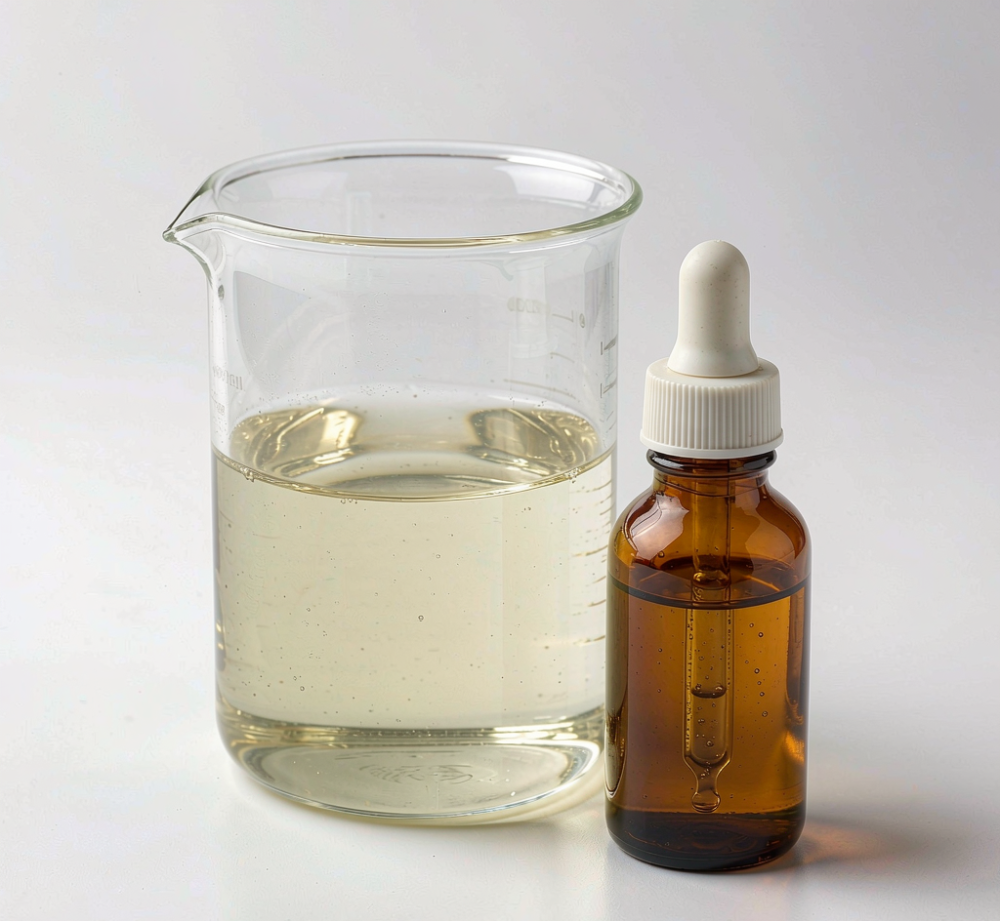
Lauryl Hydroxysultaine (CAS 13197-76-7): The Sulfonate-Backed Amphoteric That Keeps Foam Up in Hard Water
Products blog

Lauryl Hydroxysultaine (CAS 13197-76-7): The Sulfonate-Backed Amphoteric That Keeps Foam Up in Hard Water

A practical supplier guide to lauryl hydroxysultaine (CAS 13197-76-7, C17H37NO4S, MW 351.55, EINECS 236-164-7): the sulfonate-backed amphoteric surfactant that keeps foam and viscosity stable in hard water. Covers the chemistry versus lauryl betaine, foaming/thickening/conditioning/calcium-soap-dispersant roles in shampoo, body wash, and facial cleanser, a low-irritation safety profile, and natural formulation pairings with sarcosinate surfactants, ethylhexylglycerin, squalane, lecithin, and brightening/exfoliating actives.
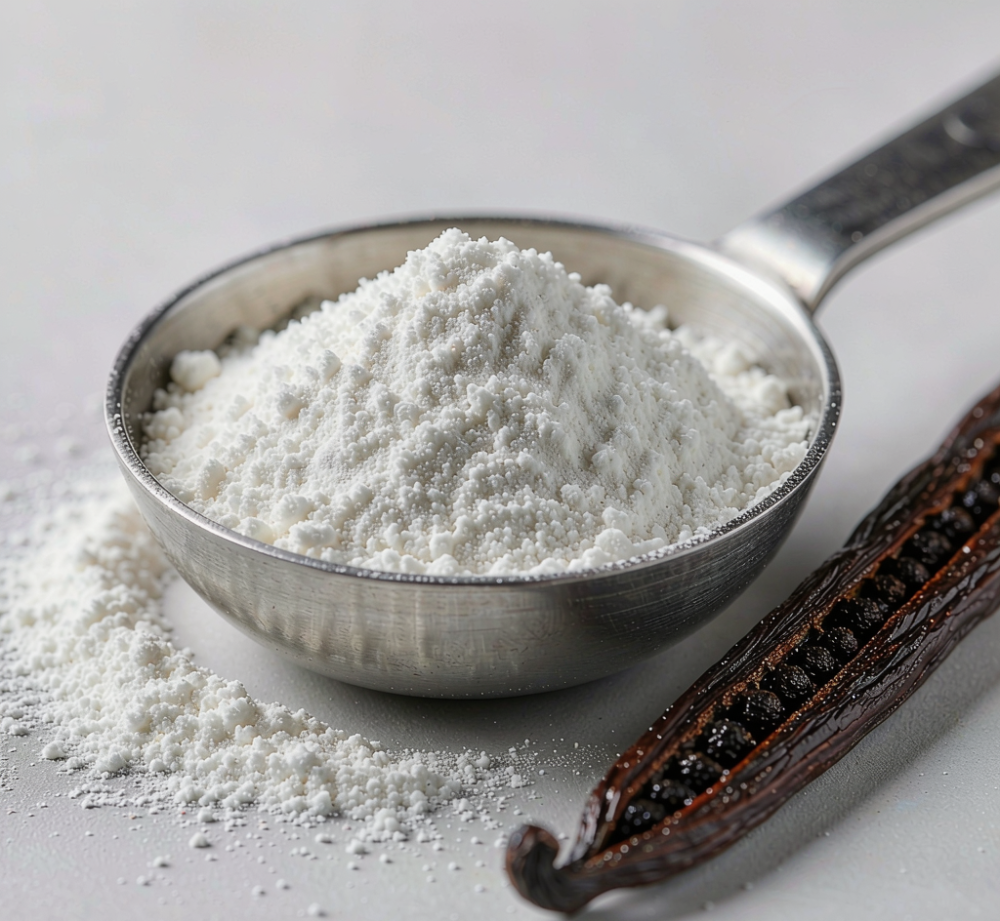
Vanillin (CAS 121-33-5): The Flavor Workhorse Behind Ice Cream, Perfume, and Pharmaceutical Coatings
Products blog

Vanillin (CAS 121-33-5): The Flavor Workhorse Behind Ice Cream, Perfume, and Pharmaceutical Coatings

A practical supplier guide to vanillin (CAS 121-33-5, C8H8O3, MW 152.15, EINECS 204-465-2, FEMA 3107): the most-used flavor compound in the world and a steady raw material for food, fragrance, and pharma. Covers the chemistry, synthetic routes from guaiacol/lignin/eugenol, solubility and melting point, food/fragrance/pharma/industrial uses, and natural formulation pairings with ethyl vanillin, ethyl maltol, citral, limonene, and dihydrocoumarin/hydrocoumarin, plus grade, assay, packaging, and storage notes.

1,3-Dihydroxyacetone (DHA, CAS 96-26-4): The FDA-Approved Self-Tanning Active Behind the Sunless Tanning Aisle
Products blog

1,3-Dihydroxyacetone (DHA, CAS 96-26-4): The FDA-Approved Self-Tanning Active Behind the Sunless Tanning Aisle

A practical supplier guide to 1,3-Dihydroxyacetone / DHA (CAS 96-26-4, C3H6O3, MW 90.08, EINECS 202-494-5): the simplest ketotriose produced by glycerol fermentation that is the only FDA-approved self-tanning active. Covers the Maillard reaction mechanism, the 5-7 day tan, UV-free safety, 3-10% use levels, and formulation pairings with squalane, ethylhexylglycerin, sodium lauroylsarcosinate, lauryl betaine, glycolic/salicylic/mandelic acid, kojic acid, alpha-arbutin, glabridin, L-ascorbic acid, urea, trehalose, soybean lecithin, citric acid, and D-tartaric acid, plus compliance and sourcing notes.

+86-531-88752665

Qr code