Soybean Lecithin (CAS 8002-43-5): The Natural Phospholipid That Emulsifies, Nourishes, and Stabilizes
Products blog

Soybean Lecithin (CAS 8002-43-5): The Natural Phospholipid That Emulsifies, Nourishes, and Stabilizes

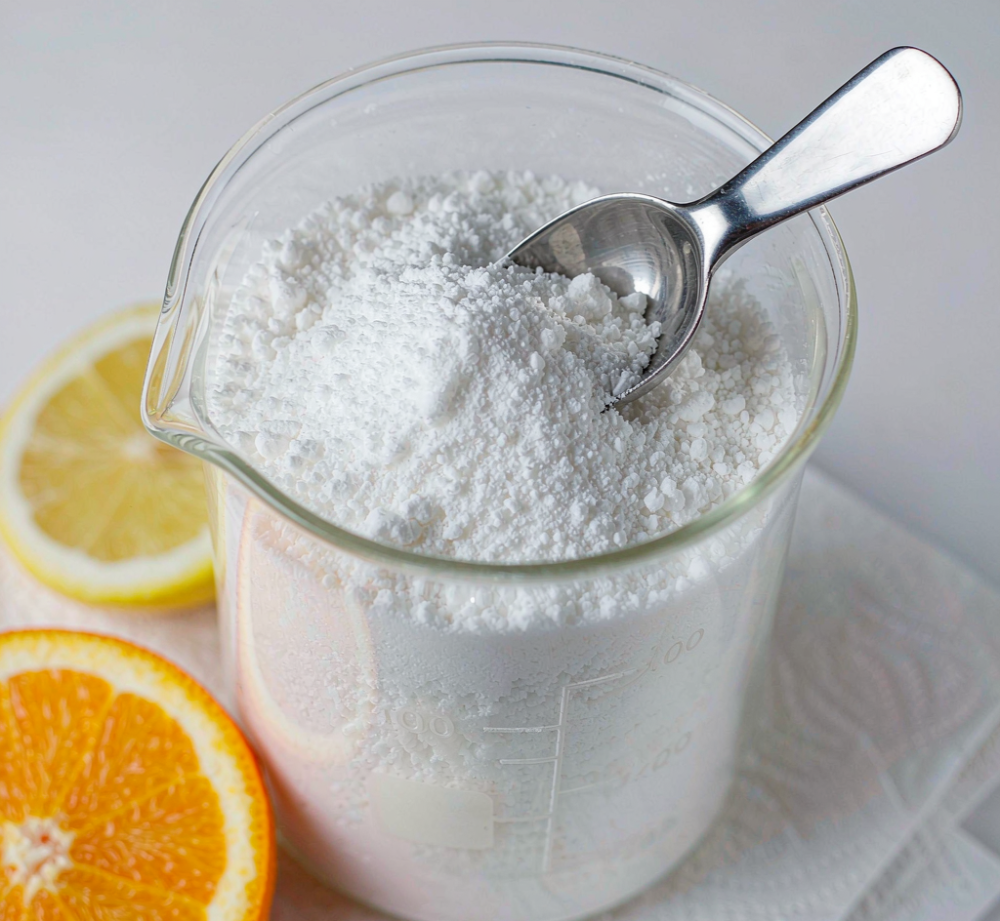
A practical supplier guide to Soybean Lecithin (CAS 8002-43-5, C42H80NO8P, MW 758.06, EINECS 232-307-2): the natural phospholipid complex recovered from soybean oil that emulsifies, wets, and carries actives across food, cosmetics, and pharma. Covers its real spec data (pale brown-yellow viscous solution, density 1.0305, GRAS status, -20 C storage), food and supplement uses, cosmetic pairing with squalane, ethylhexylglycerin, lauryl betaine, sodium lauroylsarcosinate, kojic acid, alpha-arbutin, L-ascorbic acid, vitamin A1 retinol, glycolic acid, urea, GHK-Cu, creatine, citric acid and D-tartaric acid, plus grade, GMO-traceability, and documentation notes for procurement.
D(+)-Trehalose Dihydrate (CAS 6138-23-4): The Disaccharide That Protects Actives, Cells, and Skin
Products blog

D(+)-Trehalose Dihydrate (CAS 6138-23-4): The Disaccharide That Protects Actives, Cells, and Skin

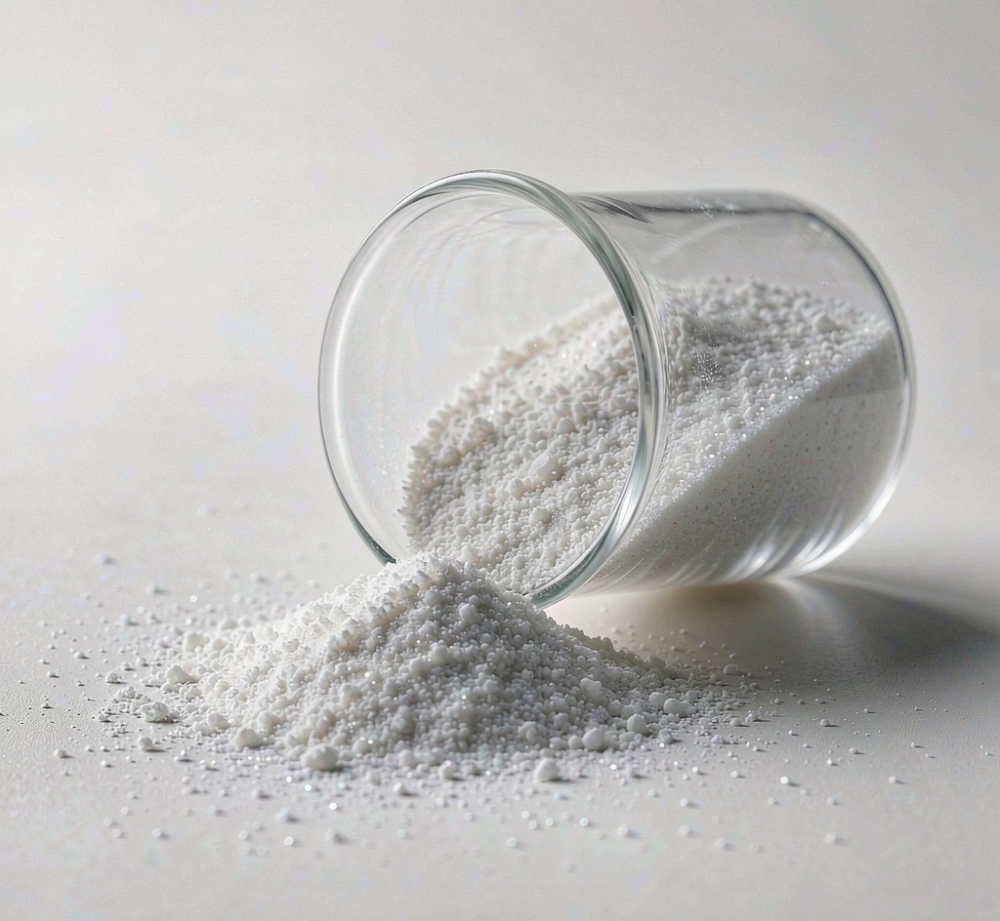
A practical supplier guide to D(+)-Trehalose Dihydrate (CAS 6138-23-4, C12H22O11·2H2O, MW 378.33): the non-reducing disaccharide that forms a protective glass around proteins, cells, and sensitive actives. Covers its fermentation production, skin-care moisturizing and barrier support, biologics stabilization, DMSO replacement in cryopreservation, and food anti-freeze / humectant uses, with pairing notes for Squalane, Urea, Kojic acid, Alpha-Arbutin, GHK-Cu, L-Ascorbic Acid, Glabridin, Argireline, glycolic / salicylic / mandelic acids, Creatine, and DMSO.

Lauryl Betaine (CAS 683-10-3): The Zwitterionic Surfactant That Quiets the Whole Cleansing System
Products blog

Lauryl Betaine (CAS 683-10-3): The Zwitterionic Surfactant That Quiets the Whole Cleansing System

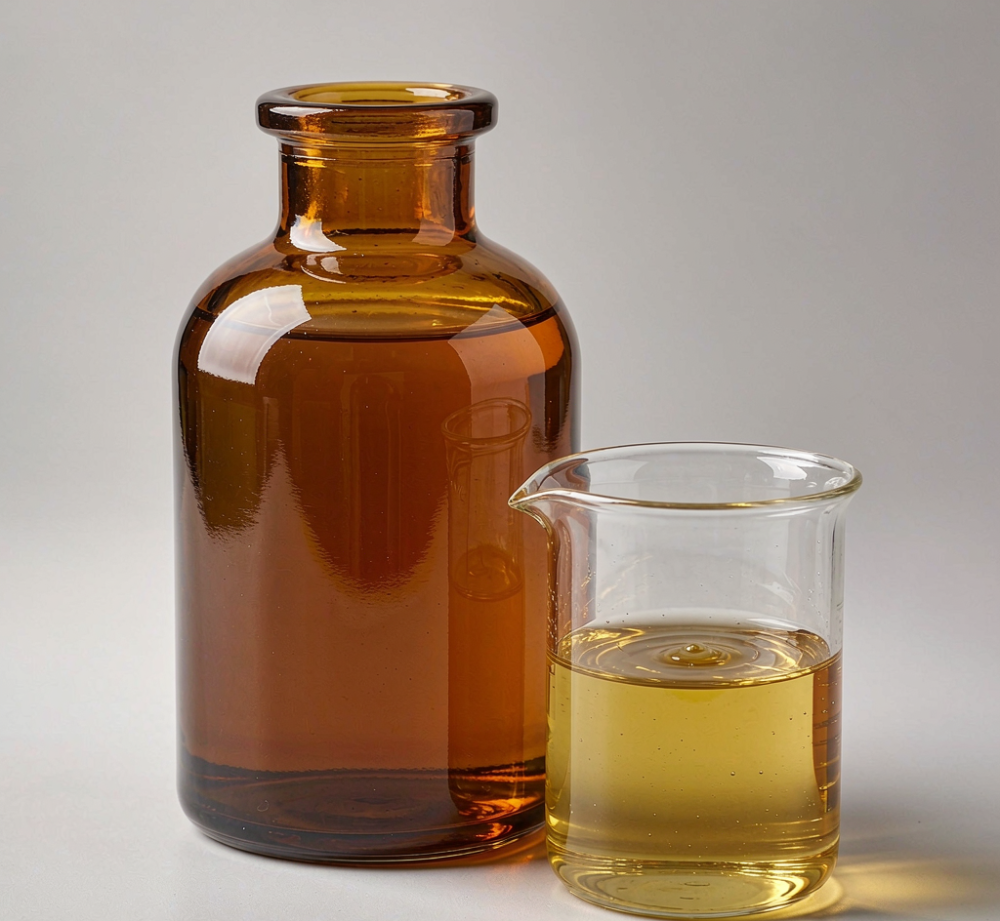
A practical supplier guide to Lauryl Betaine (CAS 683-10-3, C16H33NO2, EINECS 211-669-5): the zwitterionic surfactant supplied as a yellow liquid that makes cleansing systems milder, foams more stable, and finished products feel softer after the rinse. Covers its pH-dependent charge, mild cleansing, foam boosting, conditioning and antistatic behavior, and typical use in shampoos, body washes, facial and baby cleansers, dishwashing, and textile auxiliaries. Includes pairing notes with Sodium Lauroylsarcosinate, N-oleoylsarcosine, Sarcosine, Ethylhexylglycerin, Squalane, and brightening/exfoliating actives.

L-Ascorbic Acid (CAS 50-81-7): The Active Form of Vitamin C Buyers Actually Specify
Products blog

L-Ascorbic Acid (CAS 50-81-7): The Active Form of Vitamin C Buyers Actually Specify

A practical supplier guide to L-Ascorbic Acid (CAS 50-81-7, C6H8O6, MW 176.12): the biologically active form of vitamin C, supplied as a white to faintly yellow crystalline powder with a melting point of 190-194 C (dec.), water solubility of 50 mg/mL at 20 C, density 1.65, and EINECS 200-066-2. Covers its three cosmetic jobs (antioxidant, tyrosinase-inhibiting brightening, collagen support), its food and beverage use as an antioxidant and nutrient, and its pharmaceutical and analytical roles. Includes stability, grade, and handling notes, and compares it with kojic acid, alpha-arbutin, glabridin, citric acid, tartaric acid, and chlorogenic acid.

+86-531-88752665

Qr code